








The Ultimate Antidote March 26, 2006
Numbers 21: 4-9 Pastor MarkNieting
Anyone here suffer from Ophidiophobia? If you have it, you know it?ñit??s an irrational fear of snakes. Snakes are at or near the top of most of the ?¨lists of fears?Æ that I googled out the other day, with about 1/3 of people saying that they are afraid of them. There are symptoms of ophidiophobia: breathlessness, dizziness, nausea, feeling sick, heart palpitations, fear of dying and a full blown anxiety attack. So I supposed if God wants to get the attention of somebody, sending a bunch of snakes would be a pretty effective way to do it!
Today??s Old Testament lesson is a part of the ?¨wilderness narrative?Æ Moses placed in the Book of Numbers (chapters 10 ?± 22). It is the last of several stories in which the Israelites complain against the dangers and hardships of their journey from Egyptian slavery to settlement in the promised land.
The Israelites had been wandering through the desert in what HAD to have been a rather frustrating journey for them. Their homes were temporary, the food?ñalbeit provided divinely for them by God?ñwas manna bread, manna porridge, manna stew and manna pasta, interrupted occasionally by more manna. Just imagine camping with your family for 30 some years!
In Numbers 11 the people were fed up with the food, so they had complained about the manna. ?¨Give us meat!?Æ and in God??s mercy, he granted them quail for food. In Numbers 14, after the spies were sent to Canaan and had returned with stories of unconquerable giants, there was more grumbling and complaining. In chapter 20, after Miriam died in the Desert of Zin, they were in a place with little water, so naturally there was more grumbling until the Lord instructed Moses to strike the Rock and water was provided.
Now, in Numbers 21, they are complaining again: ?¨Why have you brought us up out of Egypt to die in the wilderness? For there is no food and no water and we detest this miserable food!?Æ This is not what God wanted to hear and how God wanted to be thanked. We might even imagine that God is more than displeased?ñ..He is insulted by the ignorance of how well He has actually provided for them since He delivered them from slavery. But they are far more focused on what they want God to DO for them than on what God has already done. So they complain about the food?ñ.and then about God. Rejecting God??s food is tantamount to rejecting God??s grace, and rejecting God??s grace isn??t a good thing to do!
So maybe snakes?ñand snakebites?ñ.will give them a better perspective on the manna! And God made it so.
For seven years I belonged to the Lutheran Church of the Risen Christ in Myrtle Beach. It was a small, frame church with bright green Astroturf carpet. More Sundays than not, right in the middle of worship, a chameleon would start moving about the church, bright green like the carpet. For us regulars, it was no big thing. We knew the little critters and they didn??t bother us. But we got a kick out of watching the tourists who had come to worship with us. You could almost tell where a chameleon was running during Pastor Kresken??s sermons?ñ.by how the people ?¨popped up?Æ from their chairs!
But with the snakes in the desert, there were no people popping, instead, they were dropping, dead, from snakebite and from fear. The rest of the people, scared to death, came to Moses in confession of their rebellion against God. ?¨We sinned when we spoke against the Lord and against you. Pray that the Lord will take the snakes away from us!?Æ
Like God??s mercy through the quail and through the water, God now grants mercy through forgiveness. But this time the remedy is a bit more interesting than Moses tapping a rock or God calendaring in flocks of quail. In modern vaccines, we inject a piece of a virus to protect ourselves from the same virus. Thus the antidote for polio is a piece of polio. The antidote for measles is a piece of measles virus. So this time God offers them a snake to deal with their snakes.
Moses fashions a bronze serpent and places it up on a pole in front of the people. When people afflicted by their snakebites turn look at Moses?? snake, they are healed. Maybe it seems a bit absurd?ñ.after all?ñ.God could have sent St. Patrick to run the snakes out of the desert or had Moses throw down his staff like he did before Pharaoh and use that magic snake to chase these snakes away, but what God does is amazingly rich in meaning. God offers them a symbolic anti-venom.
God himself provides their forgiveness and their healing. But He uses the symbol of the snake on the pole so that His people will recognize the connection between their complaining and their punishment. It makes them confront the symbol of their sin?ñthe snake?ñ.as the means of receiving healing THROUGH that symbol. And apart from the Biblical explanation, it??s really an abnormal symbol. After all, who?ñespecially the ophidiophobics among us?ñwould ever ?¨lift up?Æ a snake as a symbol of anything good. Yet it??s a symbol worn by most paramedics today?ñ.the caduceus?ñ. A symbol of mercy and healing.
In their confession and their repentance, as they cried out for mercy, God simultaneously shows them THEIR sin and HIS grace. It was the problem and the solution in one symbol?ña bronze serpent. Max Lucado says, ?¨To see sin without grace is despair. To see grace without sin is arrogance. To see them in tandem is conversion.?Æ
In one symbol there is SIN and there is GRACE. The problem and the solution linked together?ñ.the work of God in response to the sin of His people.
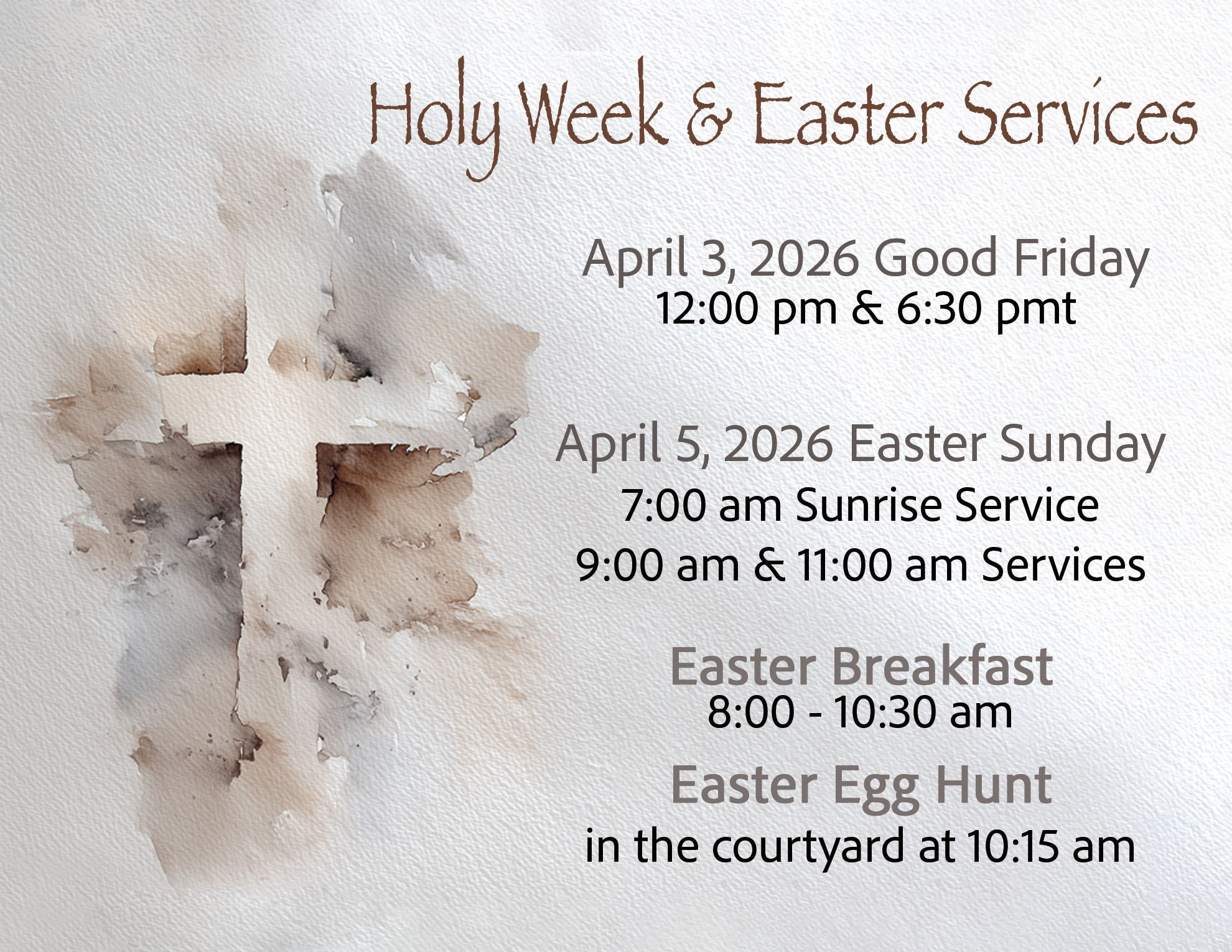
The Cross of Christ.
For Israel, their sin and their healing were right in front of them, lifted up on a pole. And for those who would receive the ULTIMATE ANTIDOTE, our sin and our healing are lifted up on the Cross of Calvary. Remember Jesus?? words to Nicodemus in John 3: ?¨Just as Moses lifted up the serpent in the wilderness, so must the Son of Man be lifted up, that whoever believes in Him may have eternal life.?Æ
God is an amazing artist, weaving together the symbol and the reality of our redemption into a single, stark picture?ñ.one that has to evoke a response on the part of everyone who sees it. Who wouldn??t respond to a snake on a pole? Snakes just ?¨do?Æ that to us. And the cross? Knowing the connection of the cross to our sins and the actions of our Savior evokes a response even more powerful. Thus our sin?ñ.and God??s grace sent to us through Jesus Christ?ñare contained in the same moment and in the same symbol.
Let me offer one brief caveat?ñ.lest our worship be of the cross and not of the one who died ON the cross. After the episode in the wilderness, Moses?? bronze serpent was carried along with the people, eventually acquiring a name, Nehushtan, and it was placed in the temple at Jerusalem as a cult object for preventing and healing snakebites. As commonly happens with cultic objects, the object itself?ñ.rather than the miraculous divine reality it represents?ñ.eventually becomes the object of worship?ñan idol. For this reason, King Hezekiah destroyed the bronze serpent as part of his reforms of the worship in the temple. ( See 2 Kings 18: 4)
For us, gathered in the House of Christ, the cross creates a connection, a very intimate and personal one, between our sins and the consequences they placed upon our Savior. Thus?ñour sin?ñand God??s grace are brought together before us. For the Israelites in the desert, confession of their sin involved recognizing their choice of rebellion against God and their proclamation that it was wrong. In turning to God??s symbol of healing, they received God??s grace.
In Christian confession it is the same. There is the knowledge we have of our sin, given us through God??s proclamation of LAW, out of which we come to an awareness of our need for a Savior. The Gospel, the Good News, points us toward God, and the reception of forgiveness He offers us at the foot of the cross. It is HIS death?ñto cure our death, the ultimate antidote, that lasts forever!
Join us for Worship Services in our sanctuary:
Sundays - 8:30am Traditional/Liturgical & 11:00am Blended
Wednesdays - 12pm (noon) Traditional
Click here to view our current activities, events, and celebrations!
